How UV Exposure Impacts Waterproof Fabrics
Water-proof textiles are crafted to shield us from rainfall, wind, and dampness-- yet there is one pressure of nature that silently antagonizes them with time: ultraviolet (UV) radiation from the sunlight. Whether you are an exterior traveler, a seafarer, or just somebody who leaves gear in the sun, understanding how UV exposure degrades waterproof fabrics can aid you expand the life of your financial investment and keep trusted protection when you need it most.
Recognizing Just How Water-proof Fabrics Are Constructed
Prior to diving right into UV damages, it assists to understand what makes a fabric waterproof. Most water-proof textiles count on one or more of three mechanisms: a tightly woven base textile, a laminated membrane layer such as Gore-Tex or eVent, and a Resilient Water Repellent (DWR) finish related to the external surface. The DWR covering causes water to grain and roll off the textile instead of soaking in. Each of these components is at risk to UV radiation in various means, and long term sunlight exposure attacks every one of them concurrently.
Exactly How UV Radiation Breaks Down Fabric at the Molecular Degree
UV rays lug enough energy to damage the chemical bonds within artificial fibers. Many waterproof textiles are made from nylon or polyester, both of which are prone to a process called photodegradation. When UV photons strike these polymer chains, they can sever molecular bonds, creating the product to end up being brittle, weak, and blemished gradually. This is why gear left in straight sunshine for extended periods usually fades in color and ultimately starts to split or fray-- the architectural stability of the fiber itself is being compromised from the inside out.
The Influence On DWR Coatings
Exactly How DWR Degrades Under Sunshine
The DWR surface is the first line of protection on any type of waterproof-breathable garment, and it is also one of the most susceptible to UV damages. DWR finishings are typically made from fluoropolymer or hydrocarbon-based substances applied to the surface area of the material. UV radiation increases the malfunction of these compounds, creating the covering to shed its capability to make water bead up and roll off. As soon as this takes place, the outer textile begins to soak up moisture-- a problem referred to as "moistening out." A wet external shell can not take a breath correctly, which catches sweating inside and dramatically minimizes the garment's overall comfort and efficiency.
Why Wetting Out Is a Warning Sign
Many individuals blunder wetting out for the water resistant membrane layer falling short, however for the most part it is merely the DWR that has actually degraded. The hidden membrane may still be undamaged, but a drenched external shell functions as an obstacle to breathability. Regular re-application of DWR therapies can temporarily bring back efficiency, but UV-damaged material will certainly need more constant re-treatment than equipment stored far from sunshine.
Damage to Waterproof Membranes
Laminate Deterioration Over Time
While water resistant membrane layers like Gore-Tex are more resistant to UV than surface area layers, they are not immune. Extended UV direct exposure can progressively deteriorate the sticky layers that bond the membrane layer to the face fabric, resulting in delamination-- a problem where the layers start to peel apart. When delamination begins, the fabric sheds its capacity to obstruct wind and water effectively. Camping tents, tarpaulins, and coats that spend seasons in direct sunshine are specifically at risk to this type of failure.
Polyurethane Coatings and UV Sensitivity
Spending plan water-proof fabrics typically depend on polyurethane finishings as opposed to laminated membrane layers. PU coatings are notably much more conscious UV radiation than Gore-Tex laminates. UV direct exposure increases hydrolysis-- a chain reaction in between the coating and moisture-- which causes PU layers to break, peel off, and ultimately fall short. Outdoor tents floorings and rainfall flies made with PU layers stored or used frequently in sunny environments will deteriorate substantially faster than those kept in shaded or interior problems.
Practical Tips to Secure Water Resistant Fabrics from UV Damages
Shop Gear Away from Direct Sunlight
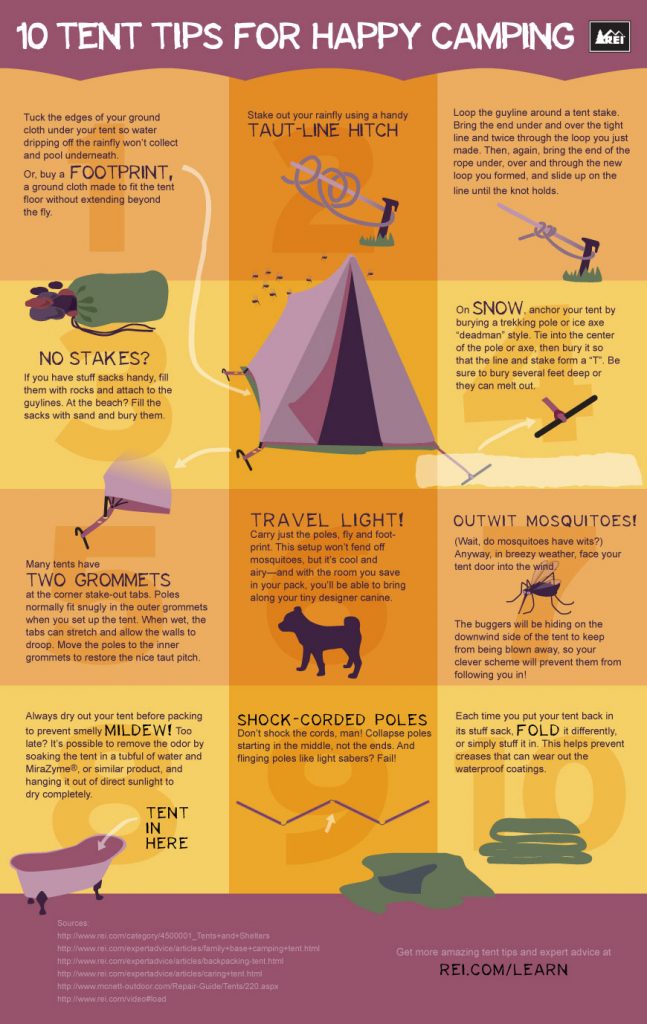
The easiest method to extend the life of water resistant materials is to store them out of sunlight when not in use. An awesome, dry, and dark space-- canvas tents such as a closet or gear bag-- significantly slows photodegradation. Stay clear of leaving outdoors tents lent a hand open sunshine for days at a time when not being used, and do not keep gear in a hot vehicle where UV rays and heat combine to accelerate breakdown.
Usage UV-Protective Sprays and Therapies
A number of makers use UV-protective sprays designed especially for exterior materials. These products work similarly to sun block, soaking up or showing UV radiation before it can penetrate and damage the fibers and coatings listed below. Using these treatments alongside normal DWR re-application is a clever upkeep routine for any regularly made use of outside gear.
Pick UV-Stabilized Fabrics When Acquiring New Equipment
When searching for tents, tarps, coats, or bags meant for high-sun environments, look for items that define UV stabilization or UV resistance in their materials. Several top quality producers now add UV inhibitors straight right into the fiber or finishing during manufacturing, supplying a meaningful standard of security that extends the item's practical lifespan.
Last Thoughts
UV exposure is just one of the most overlooked dangers to water resistant fabrics, yet its impacts build up continuously with every hour invested in direct sunshine. From degrading DWR layers to breaking down membrane layers and compromising base fibers, sunshine quietly shortens the life expectancy of your most important exterior security. By recognizing exactly how UV radiation works on these products and taking simple preventative steps, you can maintain your waterproof equipment carrying out accurately for numerous periods to find.